I played at 4* no-rate mahjong parlors in Japan, here are my thoughts.
During my two-week stay in Japan, I played at several mahjong parlors across Tokyo and Osaka. Below are my thoughts and experiences from visiting these different locations.
Bellbird Shinbashi
Location: Shinbashi, Tokyo
This is one of the most popular parlors for Westerners. They play M-League rules, and the staff are very friendly. Beginners are warmly welcomed. The official pricing for no-rate play is 600 JPY per game, though for some reason I felt like I ended up paying more than that. Soft drinks are included in the price.
The room can get quite loud, and the staff announcements felt a bit intrusive. The player base is diverse, ranging from beginners to highly experienced players. As a foreigner, you are more likely to be seated at a beginner’s table. To assist with scoring, every table features both a digital scoring display and a physical scoring table on all four sides to help you determine exactly how much to pay. E-cigarettes are permitted indoors, so be prepared for the smell. Once seated, you will typically play multiple hanchan with the same group, which can occasionally feel repetitive.
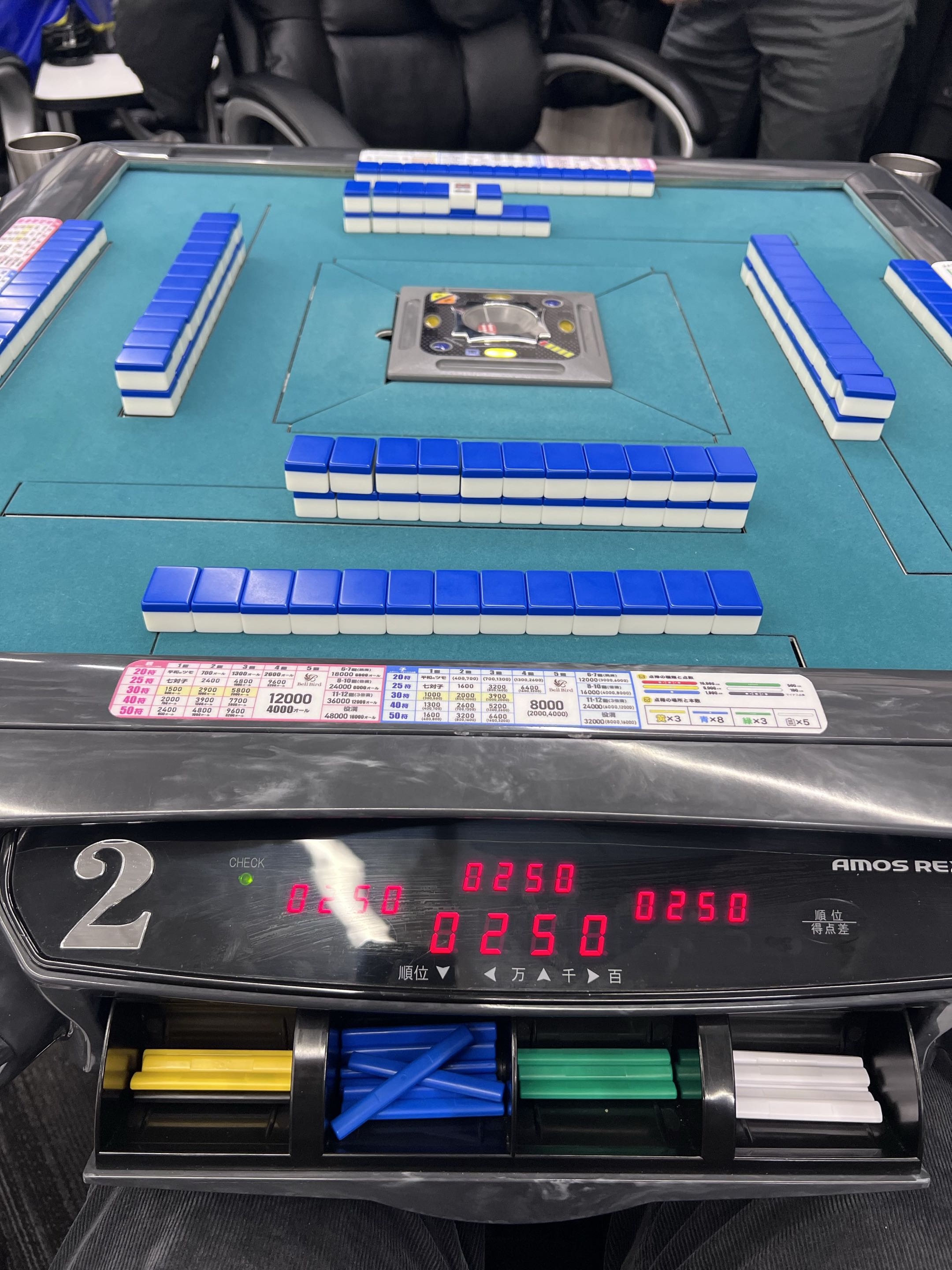
Bellbird Shinbashi Grow
Normally, this sub-location is strictly for “set” tables (renting a table for a pre-arranged group of four). However, during one weekend of my stay, the main store was closed—likely for a private event—and no-rate games were hosted here instead. The overall experience was nearly identical to the main Bellbird Shinbashi location.
JPML Dojo
Location: Sugamo, Tokyo
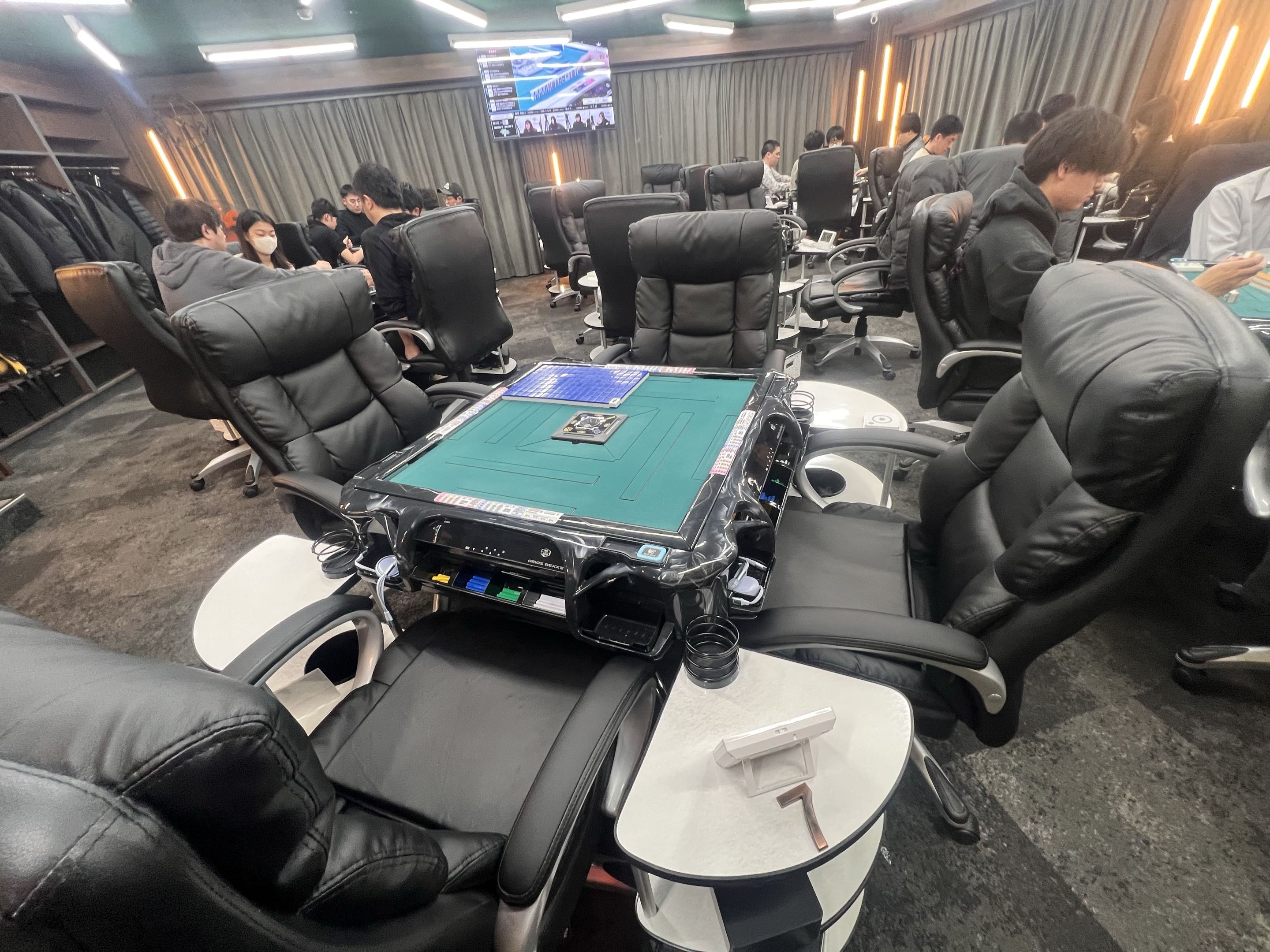
This is the official store of the Japan Professional Mahjong League (JPML) and another popular destination for Westerners. I visited twice: once on a Thursday and once on a Friday.
I didn’t do my research well enough, and on my first visit (Friday), they were playing JPML A rules—no ippatsu, no ura dora, and no kan dora. I stayed for two games and got my ass beat. The atmosphere felt like everyone was out to kill me, which wasn’t a great feeling. On my second visit, they played WRC rules, and the atmosphere was much better. I’d suggest not coming here unless you can quickly calculate your hand score in Japanese and generally play well.
It is significantly cheaper than other options, offering discounts for students and women:
- Standard: 500 JPY per game
- Women: 400 JPY per game
- Students: 300 JPY per game
- Daily Cap: 2200 JPY
The games are one hour long and run from 17:00 to 23:00, allowing for up to seven games daily. What I liked here more than other parlors is that you play with different players every game as the tables are rotated. Also, unlike most parlors, you draw your hand manually from the built walls; while the tables have an auto-deal feature, they choose not to use it here.
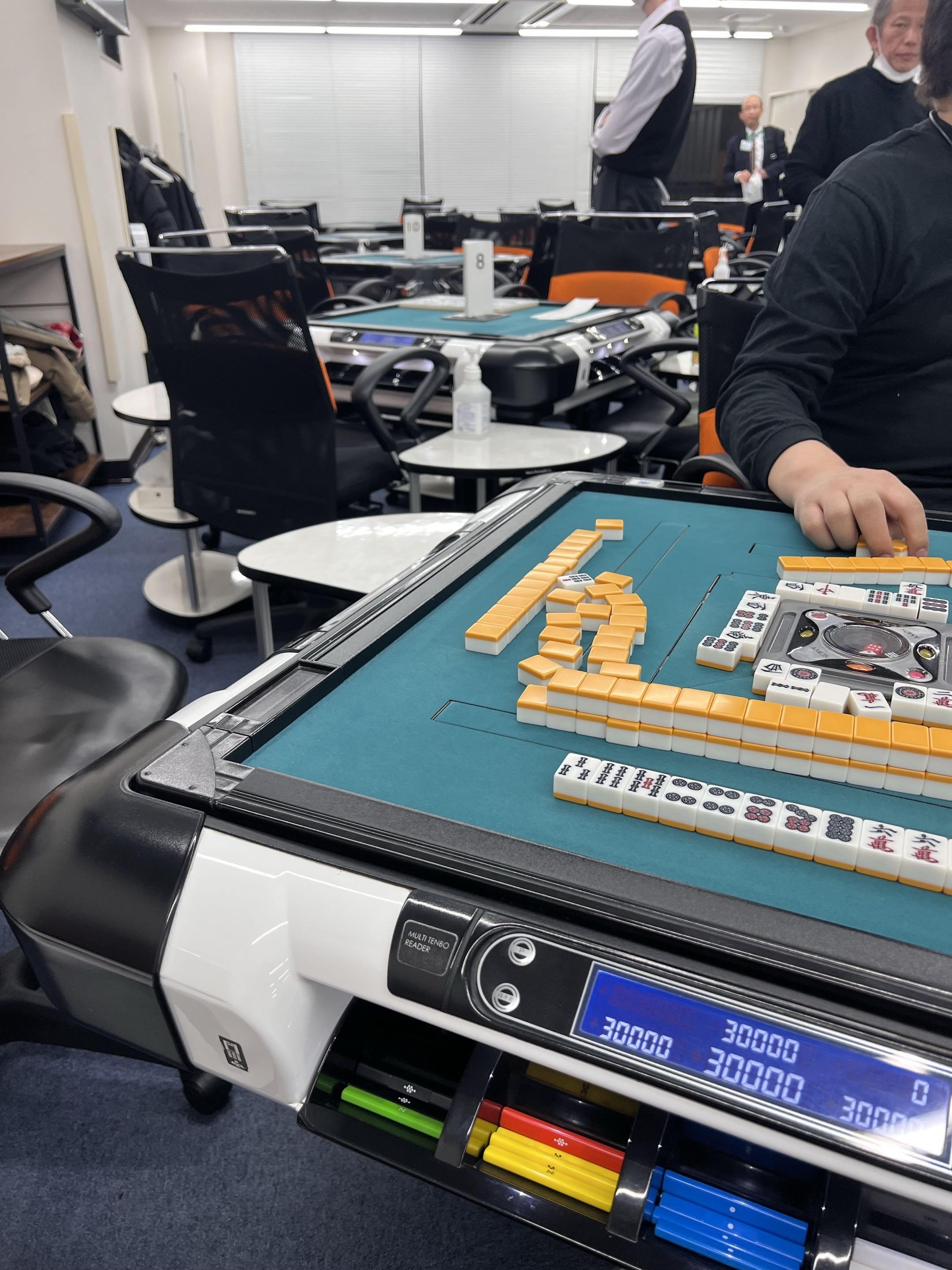
ML Stadium
Location: Takadanobaba, Tokyo
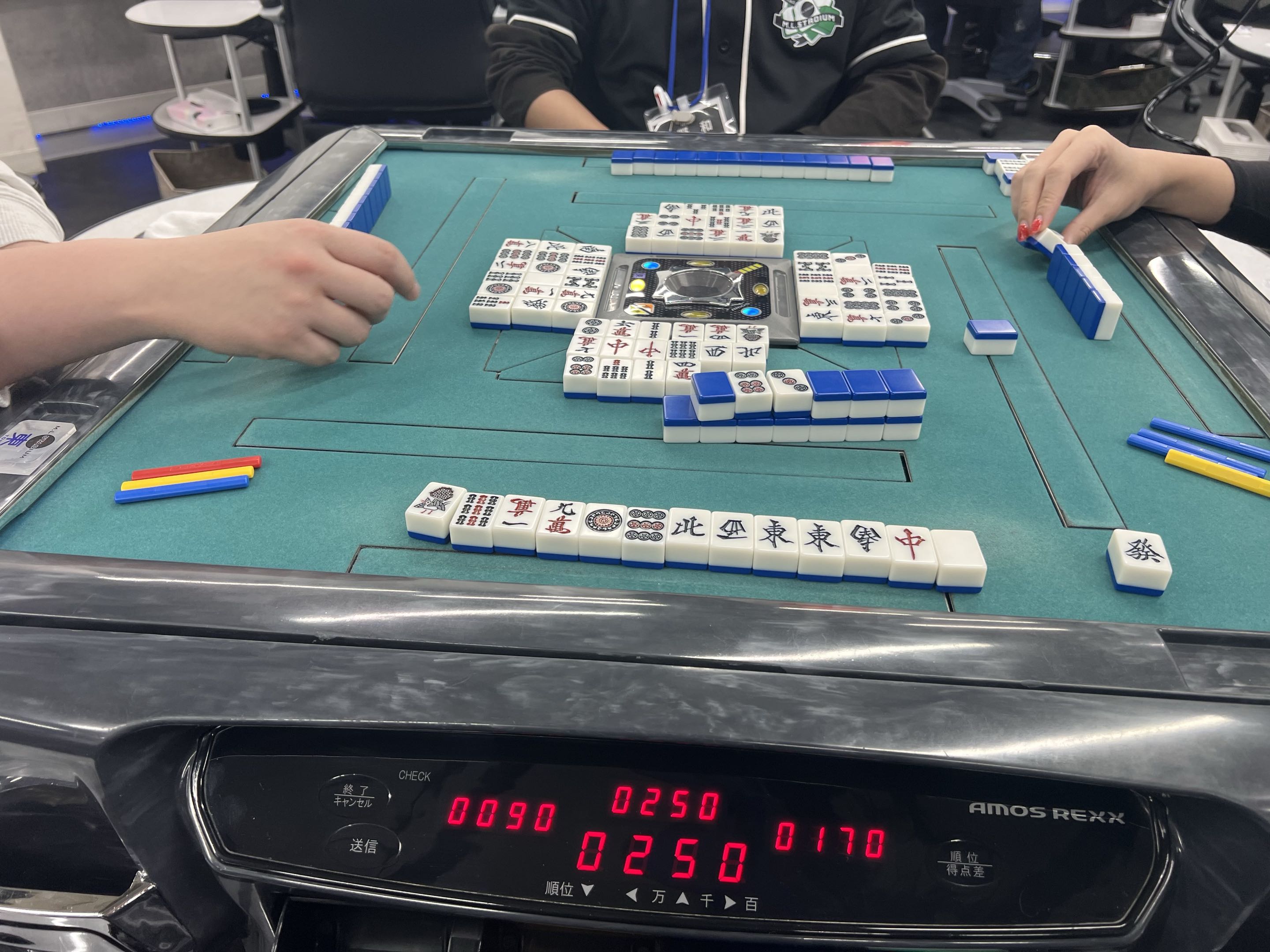
This parlor is similar to Bellbird but less tailored to beginners. The games here are also 600 JPY each, and they offer a student discount (though I don’t remember the exact amount). In the end, it was definitely cheaper than Bellbird. Unlike Bellbird, drinks are not included in the price, but you can bring your own or order M-League team-themed mocktails.
Communication with the staff is manageable using basic English and Google Translate. One of the highlights of my trip happened here, I managed to score a kokushi musou! Overall, I generally preferred this parlor over Bellbird, largely because it is significantly quieter.
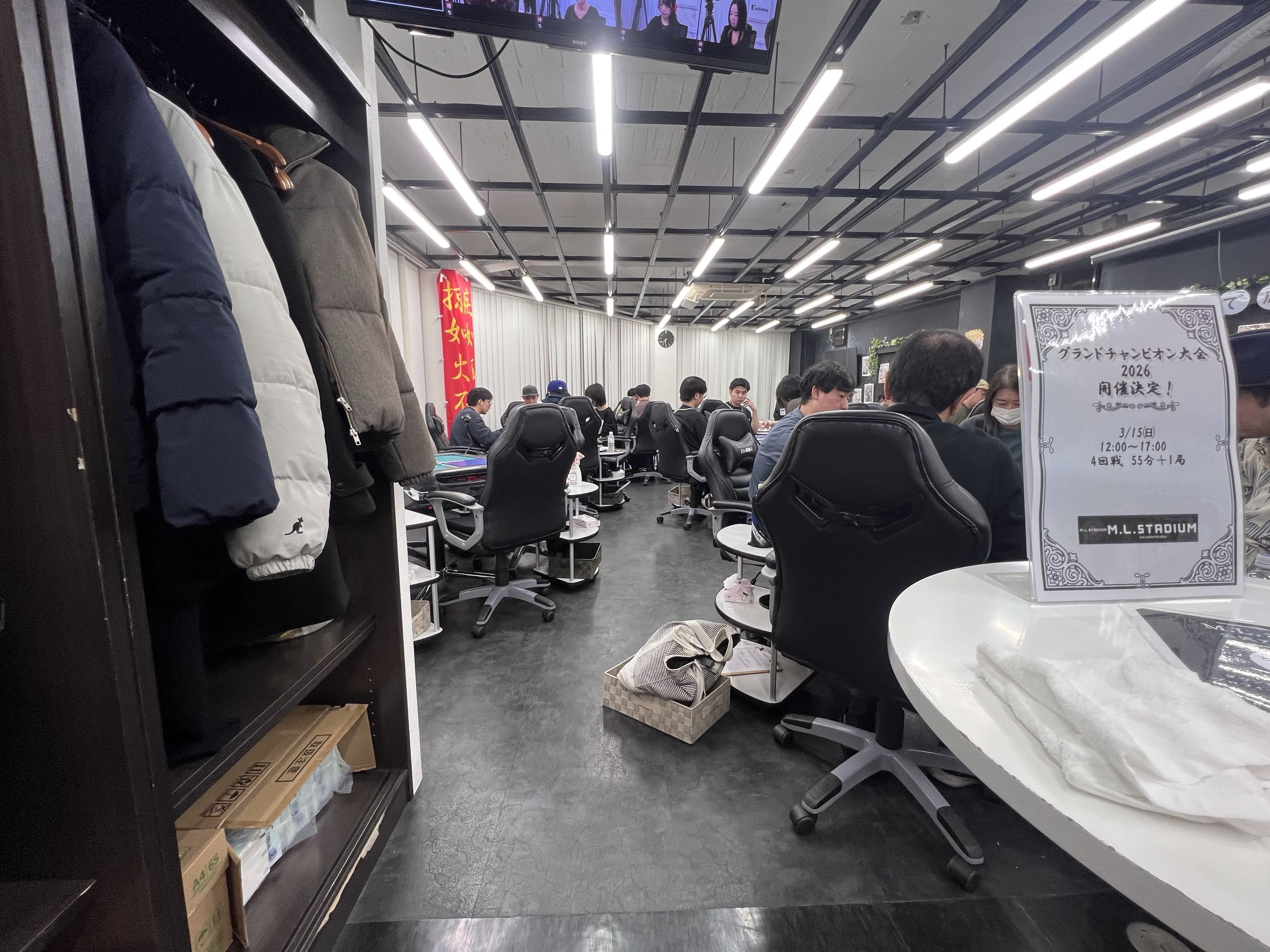
2mame
Location: Namba/Shinsaibashi, Osaka
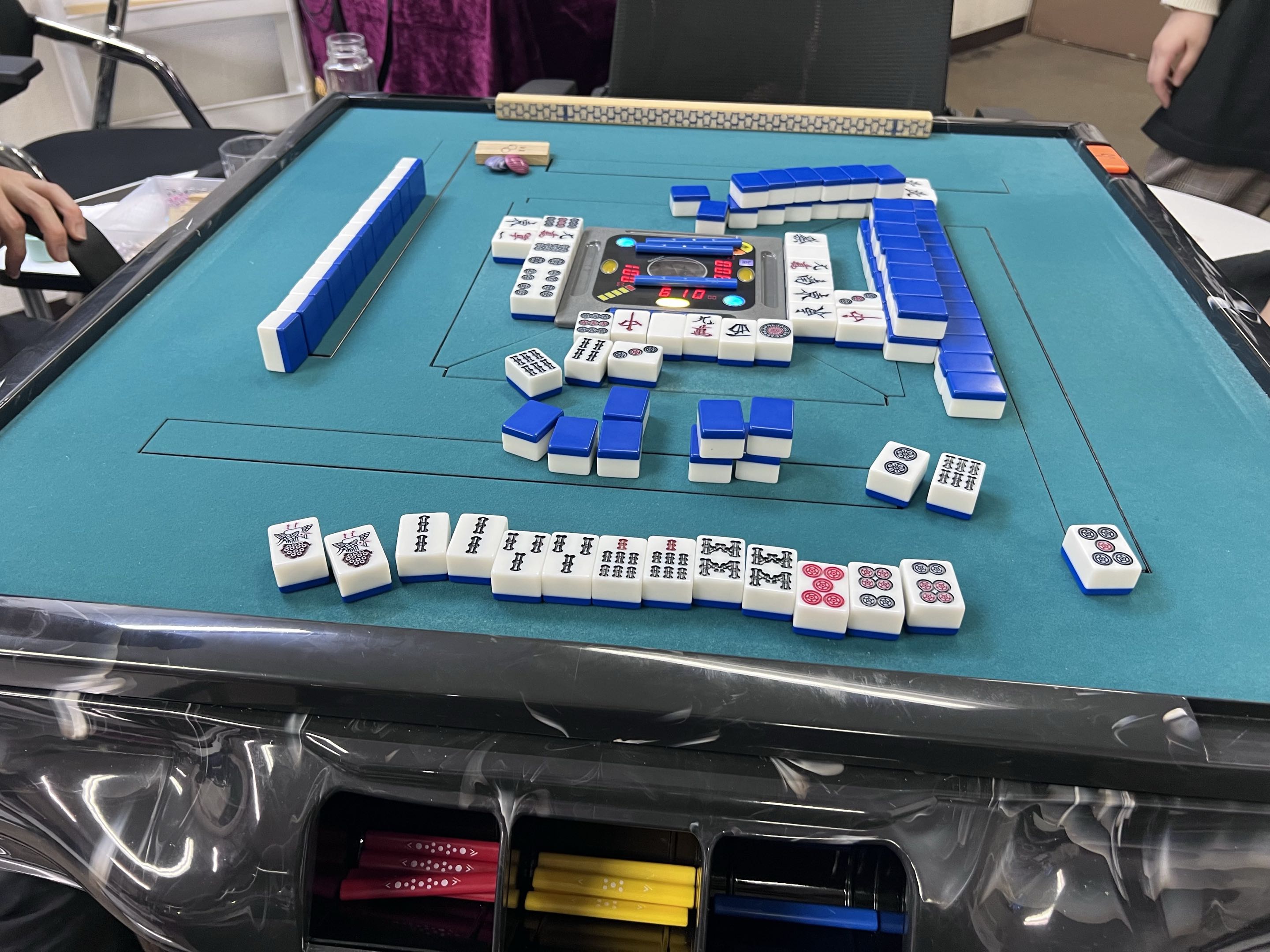
This is a sanma (three-player mahjong) parlor in Osaka featuring no-rate Kansai sanma. It was the most unique establishment I visited. Instead of paying per game, there is a daily entry fee of 500 JPY. Additionally, you purchase the store’s internal currency to play with (the minimum buy-in is around 2000 JPY).
The currency consists of mame and tsubu (1 mame equals 10 tsubu, and 1 mame is valued at 200 JPY). They offer a special promotion for new customers: 4000 JPY worth of mame for 3000 JPY. Each hanchan costs 1.2 mame paid to the store, but you can win mame back from other players based on the final scores.
The rules include shuugi (tips) for ippatsu and ura dora, and a shiro pocchi (white dragon with a dot) that acts as an all-purpose tile on a tsumo win after declaring riichi. I arrived with a pre-translated message explaining my ability to play and score. The staff were initially surprised, but after ensuring I understood the rules, they allowed me to join. Everyone was incredibly friendly and curious about a foreign player. Notably, the score sheet is simplified to remove fu calculations entirely.
Summary and Recommendations
If you are planning your own mahjong pilgrimage, your choice should depend on your experience level and what you want out of the session. I recommend Bellbird for beginners who want to play without much stress, as the environment is very welcoming to those still learning the ropes. If you are already experienced but still want a “no-rate” option that feels more relaxed, ML Stadium is a great choice. For those seeking serious play with high-level opponents and a different group of players each round, JPML Dojo is the place to be. Finally, if you are in Osaka and want to play something different than usual yonma, although fun, 2mame offers a fantastic introduction to Kansai sanma. I have also heard that Toyonaka Mahjong is another “no-rate” and gaijin-friendly parlor in Osaka, though I didn’t have the chance to visit it myself during this trip as it was closed on the day.
Szymon Nowicz